Table of Contents
- Quick Summary
- What Exactly Happened?
- Why RBI Is Concerned About Loan Apps
- Why This Matters for Ordinary Indians
- The Bigger Problem: India’s Credit Culture Is Changing
- Key Changes Users Should Understand
- Why Fintech Companies Are Nervous
- Consumer Psychology: Why Instant Loans Became So Popular
- Risks Users Should Still Watch Carefully
- Historical Context: India’s Fintech Boom Happened Extremely Fast
- What Could Happen Next?
- Final Verdict
- Frequently Asked Questions
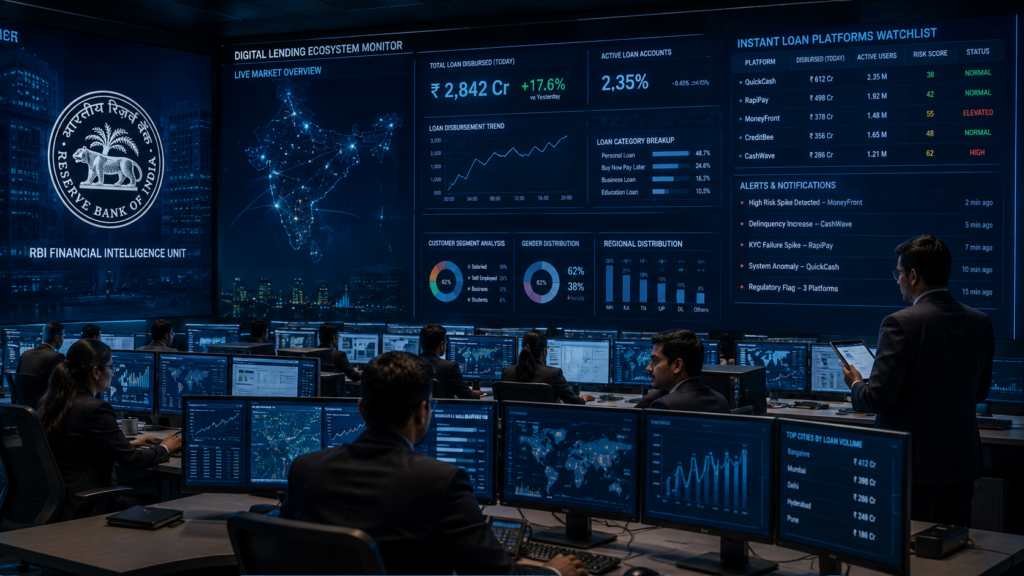
India’s instant loan app ecosystem is once again under intense scrutiny.
From aggressive recovery tactics to hidden charges and data privacy concerns, digital lending apps have become one of the most controversial parts of India’s fintech boom.
Now, the Reserve Bank of India (RBI) is tightening its grip on the sector — and millions of borrowers are trying to understand what these new changes actually mean for them.
Searches related to:
- “RBI digital lending rules”
- “loan app crackdown”
- “safe instant loan apps”
- and “RBI fintech guidelines”
have surged sharply as users look for clarity.
For many Indians, especially young salaried professionals and first-time borrowers, instant loan apps became a quick financial solution during emergencies.
But the rapid growth of the sector also created serious problems.
Now the RBI wants stricter accountability.
And that could reshape India’s entire digital lending ecosystem.
Quick Summary
| Development | Impact |
|---|---|
| RBI tightening lending oversight | Strong regulatory impact |
| Loan app compliance pressure | Rising |
| Consumer protection focus | Positive |
| Hidden charges scrutiny | Increasing |
| Data privacy concerns | Major issue |
| Borrower anxiety | Growing |
What Exactly Happened?
The RBI has intensified oversight of digital lending platforms and fintech loan ecosystems.
The focus is primarily on:
- transparency,
- customer protection,
- regulated lending practices,
- and misuse of borrower data.
The central bank has repeatedly raised concerns about:
- unauthorized lending apps,
- misleading loan terms,
- harassment during loan recovery,
- and lack of consumer clarity.
As digital borrowing exploded in India after the pandemic, regulators began noticing that many users were borrowing money without fully understanding:
- interest rates,
- penalties,
- processing charges,
- or privacy implications.
That created a dangerous environment.
Why RBI Is Concerned About Loan Apps
India’s fintech lending industry grew extremely fast.
Apps offering:
- instant personal loans,
- salary advances,
- buy now pay later services,
- and quick digital credit
became hugely popular among younger consumers.
The appeal was simple:
- fast approval,
- minimal paperwork,
- and immediate money transfer.
But rapid growth also attracted problematic players.
Some apps reportedly used:
- hidden charges,
- aggressive collection methods,
- misleading advertising,
- and unauthorized access to phone data.
This triggered widespread consumer complaints.
Why This Matters for Ordinary Indians
This is not just a fintech industry story.
It directly impacts millions of Indians who rely on digital borrowing.
Many users turned to instant loan apps because:
- salaries were delayed,
- emergency expenses increased,
- or traditional bank loans felt too difficult.
Young professionals especially embraced app-based borrowing because the process felt easier than traditional banking.
But convenience often came with hidden risks.
Many borrowers later discovered:
- very high effective interest rates,
- harsh penalties,
- and aggressive repayment pressure.
That is why RBI intervention is becoming a major consumer finance issue.
The Bigger Problem: India’s Credit Culture Is Changing

India’s borrowing behavior has changed dramatically in recent years.
Earlier, borrowing was mostly associated with:
- home loans,
- education loans,
- or large purchases.
Now small-ticket digital borrowing is becoming normal.
People increasingly borrow for:
- shopping,
- travel,
- food delivery,
- subscriptions,
- and lifestyle spending.
This shift is creating a new financial culture where short-term credit is deeply integrated into everyday life.
That concerns regulators because excessive easy borrowing can become financially dangerous.
Key Changes Users Should Understand
| Area | What RBI Wants |
|---|---|
| Transparency | Clear disclosure of charges |
| Data protection | Better privacy safeguards |
| Recovery methods | Reduced harassment risk |
| Loan disclosures | Simpler borrower information |
| Regulated lending | More accountability |
One of RBI’s biggest goals is ensuring users clearly understand:
- what they are borrowing,
- how much they must repay,
- and who is actually lending the money.
Many consumers currently struggle to identify whether the lender is:
- an NBFC,
- a fintech platform,
- or a third-party partner.
That confusion has become a major issue.
Why Fintech Companies Are Nervous
Fintech startups built massive growth around:
- fast onboarding,
- frictionless borrowing,
- and aggressive customer acquisition.
Stricter regulation could increase compliance costs significantly.
Some fintech firms may need to:
- redesign lending models,
- improve transparency systems,
- and reduce risky lending practices.
This could slow growth temporarily.
However, many experts believe stronger regulation could actually improve long-term trust in India’s fintech ecosystem.
Consumer Psychology: Why Instant Loans Became So Popular
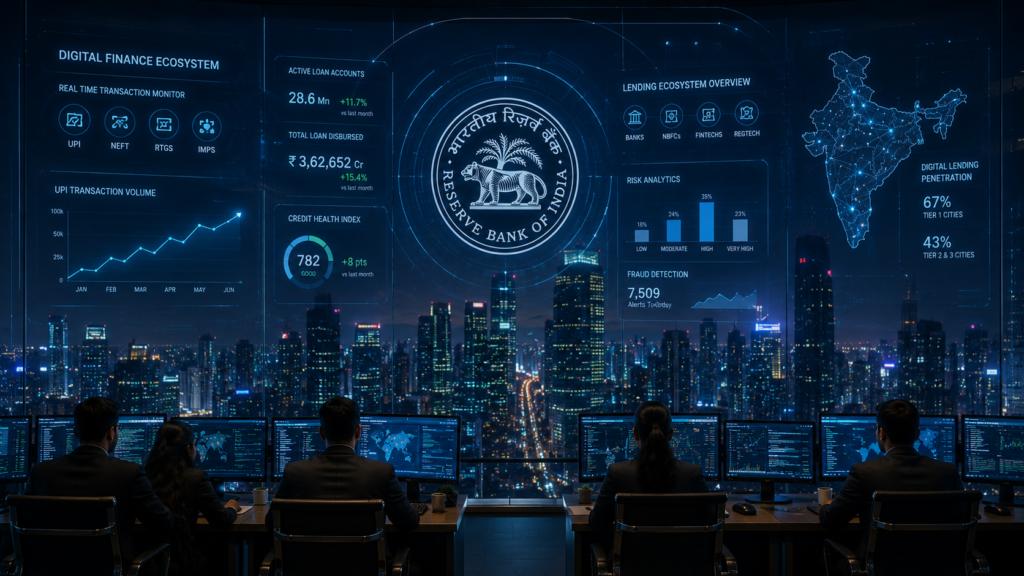
The popularity of loan apps reflects something deeper happening in Indian society.
Younger consumers increasingly want:
- immediate access,
- instant approvals,
- and app-based financial convenience.
Traditional banking often feels slow and intimidating to first-time borrowers.
Loan apps solved that emotional friction.
But easy borrowing can also encourage impulsive financial behavior.
Many users borrowed without fully understanding repayment obligations.
That is one reason financial educators are now emphasizing borrowing discipline more aggressively.
Risks Users Should Still Watch Carefully
Even with stronger regulation, users should remain cautious.
1. Hidden Charges
Some lending platforms may still include processing fees and penalties that users overlook.
2. High Effective Interest Costs
Small short-term loans can sometimes become expensive quickly.
3. Over-Borrowing Risk
Easy app-based credit may encourage unhealthy financial habits.
4. Data Privacy Concerns
Users should carefully review app permissions and privacy policies.
Historical Context: India’s Fintech Boom Happened Extremely Fast
India’s digital finance ecosystem expanded rapidly after:
- cheap mobile internet,
- UPI adoption,
- smartphone growth,
- and app-based banking expansion.
The pandemic accelerated digital borrowing even further.
Millions of Indians who never previously used formal credit suddenly gained access to instant loans through apps.
That rapid transformation created enormous opportunity — but also regulatory challenges.
The RBI’s current actions reflect an attempt to stabilize the ecosystem before problems grow larger.
What Could Happen Next?
Several developments are likely over the coming months.
Scenario 1: Stronger Consumer Trust
If regulations improve transparency, users may become more confident in digital lending.
Scenario 2: Fintech Consolidation
Smaller or weaker players may struggle to survive stricter compliance requirements.
Scenario 3: Slower Growth in Risky Lending
Aggressive lending practices may reduce gradually.
Scenario 4: Better Financial Awareness
Consumers may start paying closer attention to borrowing costs and repayment risks.
Final Verdict
The RBI’s digital lending crackdown appears less like an attack on fintech and more like an attempt to make India’s fast-growing lending ecosystem safer and more sustainable.
For consumers, this is largely a positive development.
India’s digital borrowing culture expanded extremely quickly, and stronger rules around:
- transparency,
- privacy,
- and borrower protection
were becoming increasingly necessary.
However, users should not assume regulation alone removes all risks.
Easy digital borrowing can still become financially dangerous if consumers borrow emotionally or without understanding repayment obligations.
At the moment, the development looks:
- positive from a consumer protection perspective,
- important for the long-term health of fintech,
- and highly relevant for millions of Indian borrowers.
This is not temporary noise.
It could become one of the most important shifts shaping India’s future digital finance ecosystem.
Frequently Asked Questions
What are RBI’s digital lending rules?
They are guidelines designed to improve transparency, consumer safety, and accountability in digital lending.
Why is RBI targeting loan apps?
The RBI is concerned about hidden charges, data misuse, and unfair recovery practices.
Are instant loan apps safe now?
Users should still research lenders carefully and understand loan terms fully.
Will fintech loan apps stop operating?
No, but stricter compliance requirements may change how many platforms function.
Why are Indians using loan apps so heavily?
Convenience, quick approvals, and easier access to credit made digital borrowing extremely popular.
