
Table of Contents
- 1. Account Opening
- 2. Holding Shares
- 3. Transaction Processing
- 4. Corporate Benefits
- 5. Account Maintenance
- Common DP Charges
- 1. Bank DPs
- 2. Broker DPs
- 3. Financial Institution DPs
- ✔ Charges
- ✔ Platform
- ✔ Features
- ❌ Choosing High-Charge DP
- ❌ Ignoring Platform Experience
- ❌ Not Checking Customer Support
- What is DP in demat account?
- Is DP same as broker?
- Can I change DP?
- Is DP safe?
- What is DP ID?
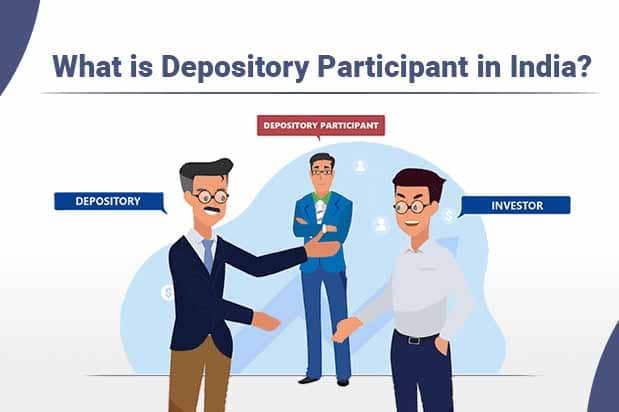
When you open a demat account, you often hear the term Depository Participant (DP).
But many beginners don’t clearly understand:
👉 What is a DP?
👉 What role does it play in your investments?
👉 Is your broker the DP?
In this complete guide, we will explain everything about Depository Participants in demat accounts in a simple and practical way.
👉 If you are new, start here:
Best Demat Account for Beginners in India
📊 What is a Depository Participant (DP)?
A Depository Participant (DP) is an intermediary between:
👉 You (the investor)
👉 The depository (NSDL or CDSL)
Simple Definition
👉 A DP is the agent through which you access your demat account.
You cannot directly open an account with depositories like NSDL or CDSL.
Instead, you open it through a DP.
👉 Beginner guide:
What is a Demat Account (Complete Guide)
🏦 What is a Depository?
To understand DP, you must first understand depositories.
In India, there are two main depositories:
- NSDL (National Securities Depository Limited)
- CDSL (Central Depository Services Limited)
These organizations store your shares in digital form.
👉 Learn more:
Difference Between Demat Account and Trading Account
🔗 How DP Works in Demat Account
Here’s how the system works:
- You open a demat account with a broker
- The broker acts as a DP
- DP connects your account to NSDL/CDSL
- Your shares are stored digitally
👉 Related:
How to Open a Demat Account in India (Step-by-Step Guide)
🧠 Example to Understand DP
Let’s simplify:
- Bank = Depository
- Bank branch = DP
👉 You don’t go to RBI to open account
👉 You go to a bank branch
Similarly:
👉 You don’t go to NSDL/CDSL
👉 You go to a DP (broker)
👉 Compare brokers:
Zerodha vs Groww for Beginners
🏢 Who Can Be a Depository Participant?
Entities that can act as DP include:
- Stock brokers
- Banks
- Financial institutions
Popular DPs in India
- Zerodha
- Groww
- Upstox
- Angel One
👉 Compare brokers:
Best Discount Broker in India (Zerodha vs Groww vs Upstox vs Angel One)
🔐 Why Depository Participant is Important
Without a DP:
❌ You cannot access demat account
❌ You cannot buy/sell shares
Role of DP
A DP helps you:
- Open demat account
- Hold shares
- Transfer securities
- Buy/sell stocks
👉 Learn transfer process:
Can You Transfer Shares from One Demat Account to Another?
📊 Functions of Depository Participant
1. Account Opening
DP helps you:
👉 Create demat account
👉 Complete KYC
👉 Documents guide:
Documents Required for Demat Account in India
2. Holding Shares
DP ensures:
👉 Your shares are safely stored digitally
👉 Learn safety:
Is It Safe to Open a Demat Account Online in India?
3. Transaction Processing
DP enables:
- Buying shares
- Selling shares
- Transferring shares
4. Corporate Benefits
DP helps you receive:
- Dividends
- Bonus shares
- Rights issues
👉 Related:
What Happens to Shares After Death of a Demat Account Holder?
5. Account Maintenance
DP manages:
- Statements
- Holdings
- Updates
👉 Check this:
How to Track All Your Demat Accounts in One Place
💰 DP Charges Explained
Depository Participants charge fees for services.
Common DP Charges
- Account opening fee
- Annual Maintenance Charges (AMC)
- Transaction charges
👉 Full breakdown:
Demat Account Charges in India (2026 Guide)
👉 Compare charges:
Groww Brokerage Charges Explained
Zerodha Brokerage Charges Explained
⚔️ DP vs Broker – Are They Same?
👉 Yes and No.
Most brokers act as DPs.
Example:
When you open account with:
👉 Zerodha → Zerodha is your broker + DP
So:
👉 Broker = Trading platform
👉 DP = Demat service provider
👉 Learn more:
Difference Between Demat Account and Trading Account
🔄 DP ID and Client ID
When you open a demat account:
You get:
- DP ID
- Client ID
What is DP ID?
👉 Unique ID of the Depository Participant
What is Client ID?
👉 Your unique account number
👉 Together:
DP ID + Client ID = Demat Account Number
🔐 Is DP Safe?
Yes.
DPs are regulated by:
👉 SEBI
They follow strict rules for:
- Security
- Transparency
- Investor protection
👉 Learn more:
Which Demat Account is Safest in India for Beginners?
📉 What Happens If DP Fails?
Many beginners worry:
👉 What if broker shuts down?
Important Point:
👉 Your shares are NOT with broker
👉 They are stored with NSDL/CDSL
So:
✔ Your investments are safe
👉 Read:
What Happens If Broker Shuts Down in India?
🔄 Can You Change Your DP?
Yes.
You can:
- Open new demat account
- Transfer shares
👉 Step-by-step:
How to Transfer Shares Between Brokers
📊 Types of Depository Participants
1. Bank DPs
Example:
- ICICI Bank
- HDFC Bank
2. Broker DPs
Example:
- Zerodha
- Groww
- Upstox
3. Financial Institution DPs
Large institutions offering demat services
🧠 How to Choose the Right DP
Before selecting a DP, check:
✔ Charges
👉 Low brokerage & AMC
✔ Platform
👉 Easy to use
✔ Features
👉 Charts, reports, tools
👉 Compare:
Zerodha vs Groww vs Upstox
⚠️ Common Mistakes to Avoid
❌ Choosing High-Charge DP
Always compare charges first
❌ Ignoring Platform Experience
Bad UI = poor investing experience
❌ Not Checking Customer Support
Support matters in trading
📈 Future of DP in India
With digital growth:
👉 DP services are becoming faster and smarter
- Instant transactions
- Mobile-based investing
- AI-based tools
👉 Learn:
How to Use AI for Stock Market Research (Beginner Guide)
🏁 Final Verdict
A Depository Participant (DP) is a critical part of your investing journey.
It acts as:
👉 Bridge between you and the stock market
Without DP:
❌ No demat account
❌ No stock investing
👉 Choosing the right DP ensures:
✔ Low cost
✔ Easy investing
✔ Better experience
👉 Start here:
Best Demat Account for Beginners in India
❓ FAQs
What is DP in demat account?
A DP is an intermediary between investor and depository.
Is DP same as broker?
Mostly yes, brokers act as DPs.
Can I change DP?
Yes, by transferring shares to another account.
Is DP safe?
Yes, regulated by SEBI.
What is DP ID?
It is a unique ID assigned to the DP.
